 Sydney Craft Week
Architecture and Material Intelligence with Joni Taylor
Joni Taylor is a Sydney-based curator and program manager whose practice converges art, architecture and design. As founder of the New Landscapes Institute she has commissioned artworks, produced exhibitions, coordinated international residencies and delivered public programs investigating transformation across urban and natural landscapes.
What does the phrase 'material intelligence' mean to you?
For me design, architecture and making must speak to its materials, how it is made and why. At this point in our polycrisis – environmental, social and economic – design can function as a solution to problems but needs ethical human values to drive it. In Australia we are lucky to have First Nations knowledge and peers sharing the value of Country Centred Design, which speaks to material and place. To me it makes no sense to keep making more from new materials - at times it may be more intelligent to not build or not make but use what we have and adapt the existing. For me re-cycling and re-use of materials is intelligent and transformational.
Has it always been part of your practice and outlook?
My work with the New Landscapes Institute has always responded to place, so is inherently exploring the local and the micro. We often work with what is existing, responding to sites in transition or environmental conditions at the point of transformation. Our work is often temporary and ephemeral, treading lightly and using materials with respect and necessity.
Can you give a couple of recent examples of material intelligence in your work, how you developed it and why it was important?
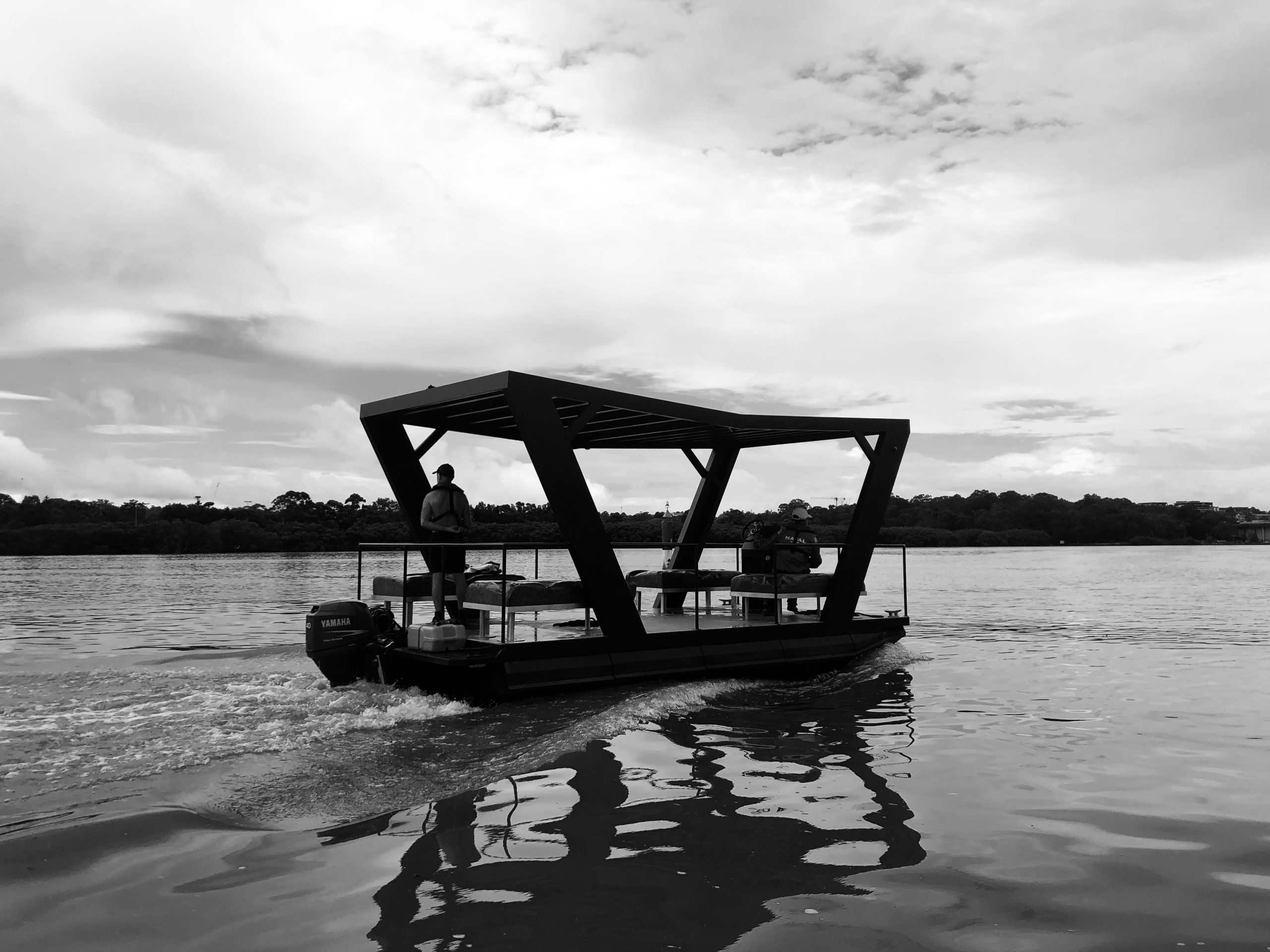
The Floating Embassy was a site specific and nomadic floating platform, which facilitated public conversations and experiences about our transforming waterways. We collaborated with artists, designers, architects and ecologists to build it and explored how a built structure may encourage connections between the human and non-human.
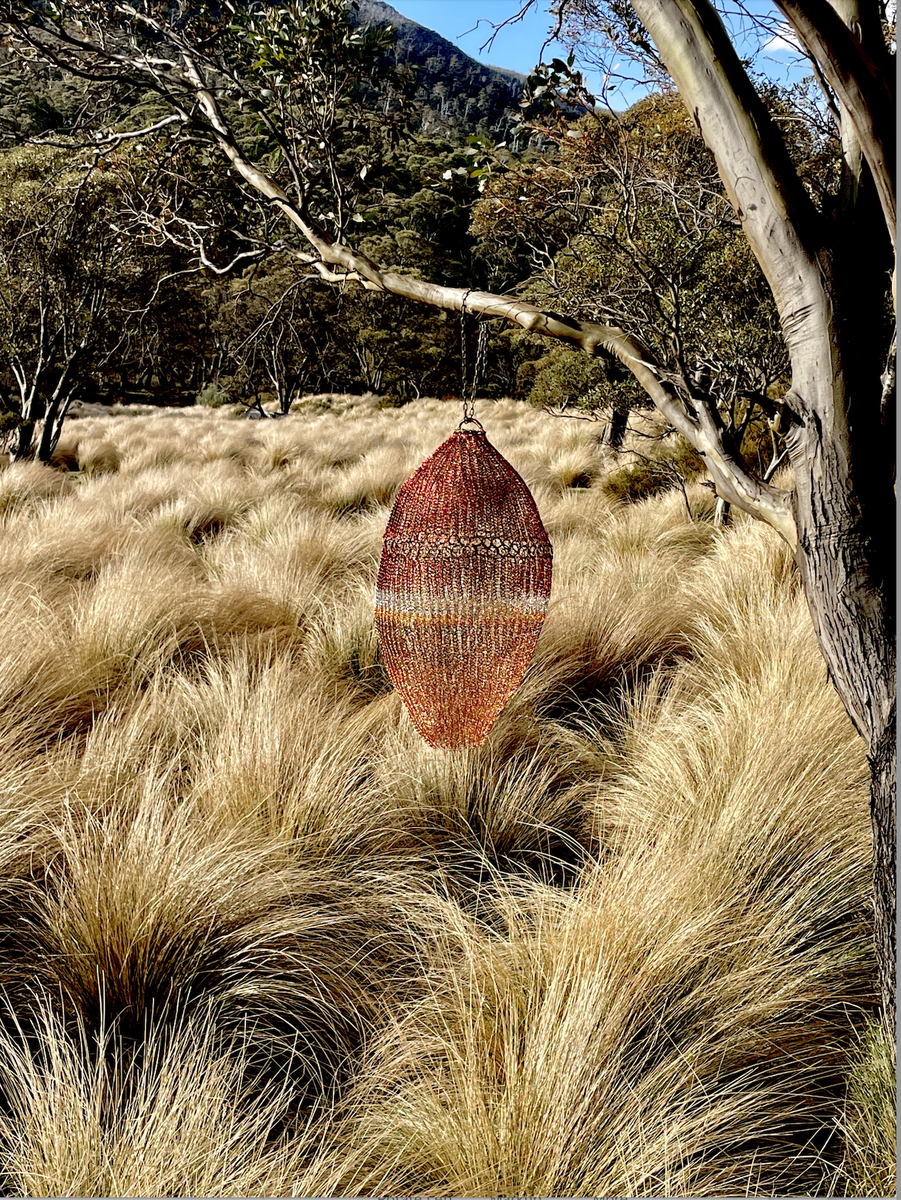
The Long Paddock was a creative research project collectively exploring our networks of existing Travelling Stock Routes, where architects, artists and designers were invited to create new work in response to the future of these shared, regional spaces. While the outcomes included an exhibition of material work, much of the program was related to the land and local conditions.
Does this kind of thinking also have an impact in your non-working life?
We are currently caring for a piece of land in the Tinderry Ranges, and working in response to what is already there as opposed to bringing more materials in. Right now it’s more a case of clearing and restoring, removing wire fencing (one of the worst materials invented for both environmental and cultural reasons!) and existing farming infrastructure to let the land breathe again.
Is there anything in the Sydney Craft Week program that particularly interests or resonates with you?
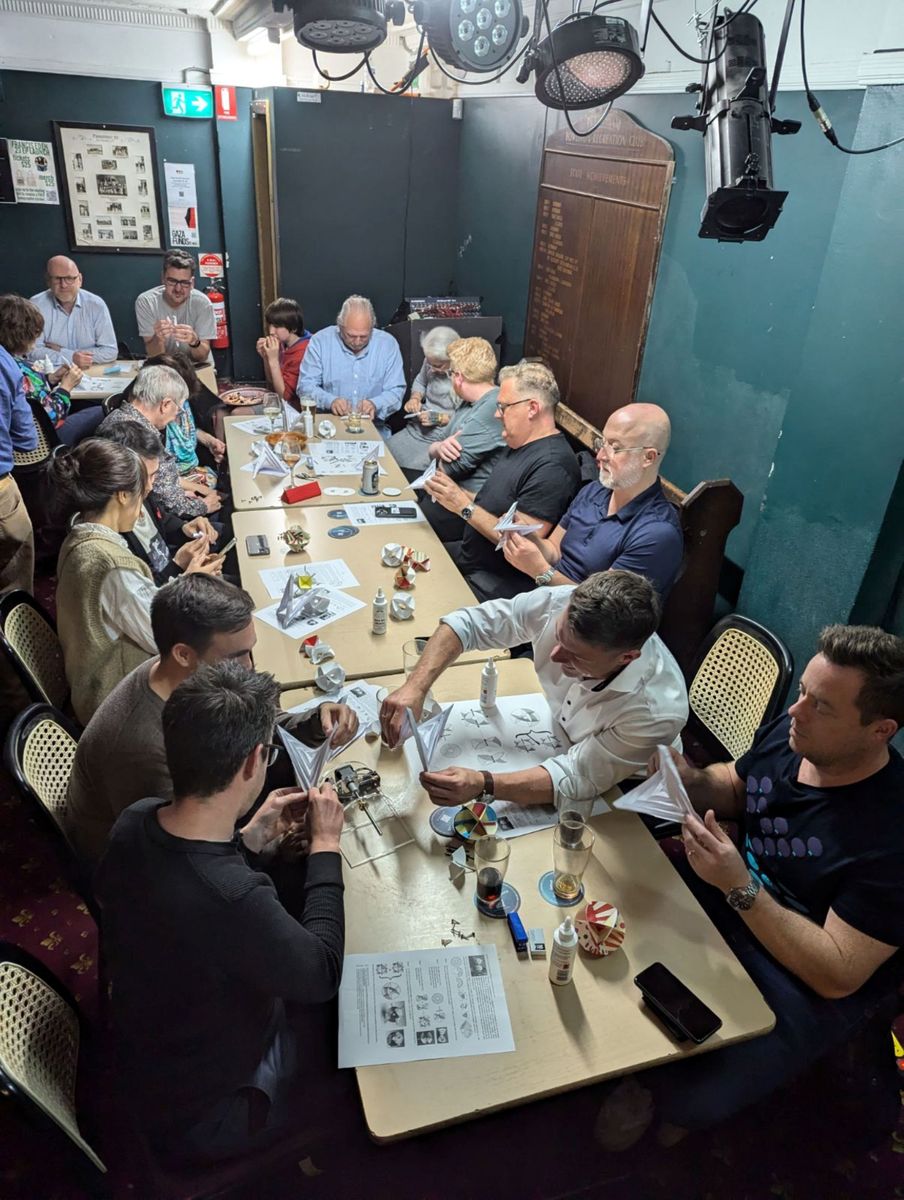
STEAMpop Men Make 2.2, Darlo Drama
STEAMpop do such great work engaging the public with STEAM ideas. As I have a particular love for Buckminster Fuller, the Bucky’s Circus workshop looks especially intriguing.
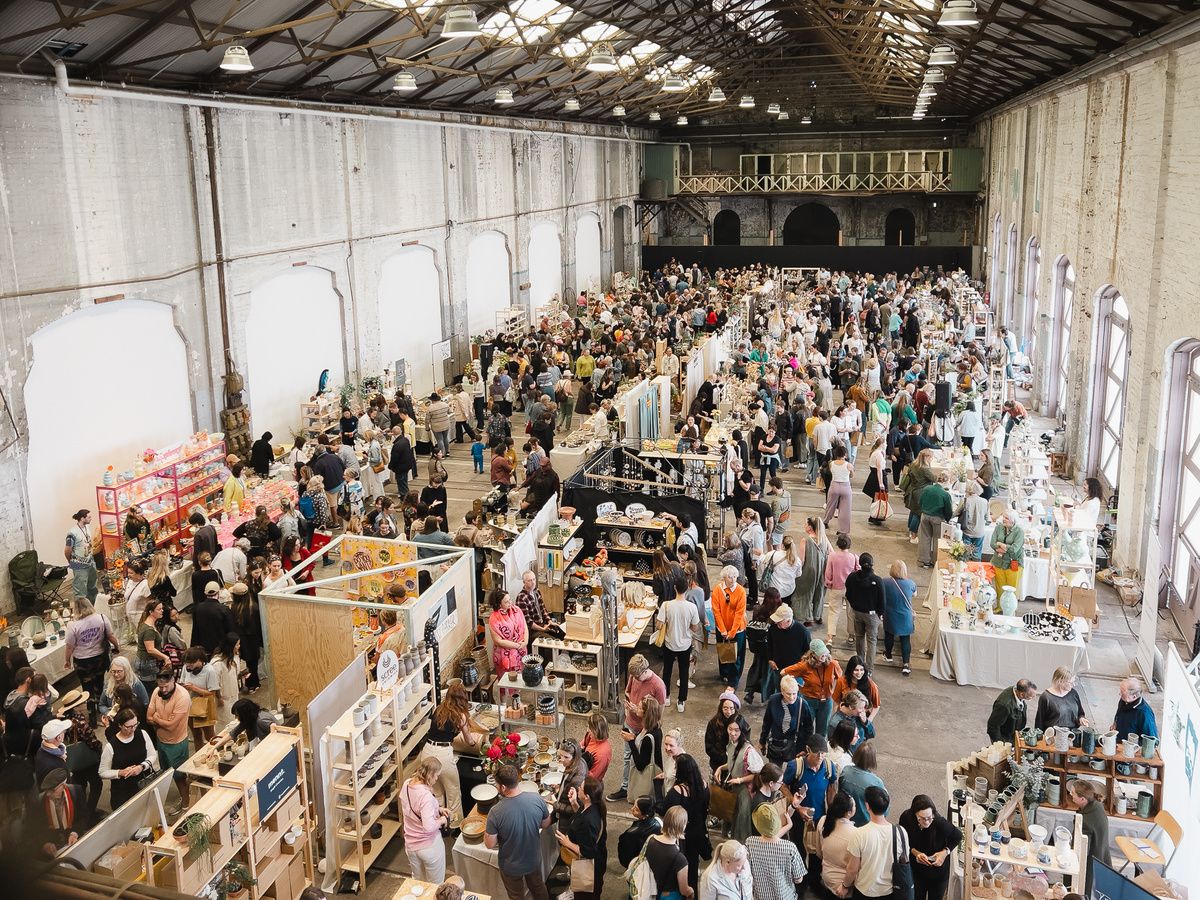
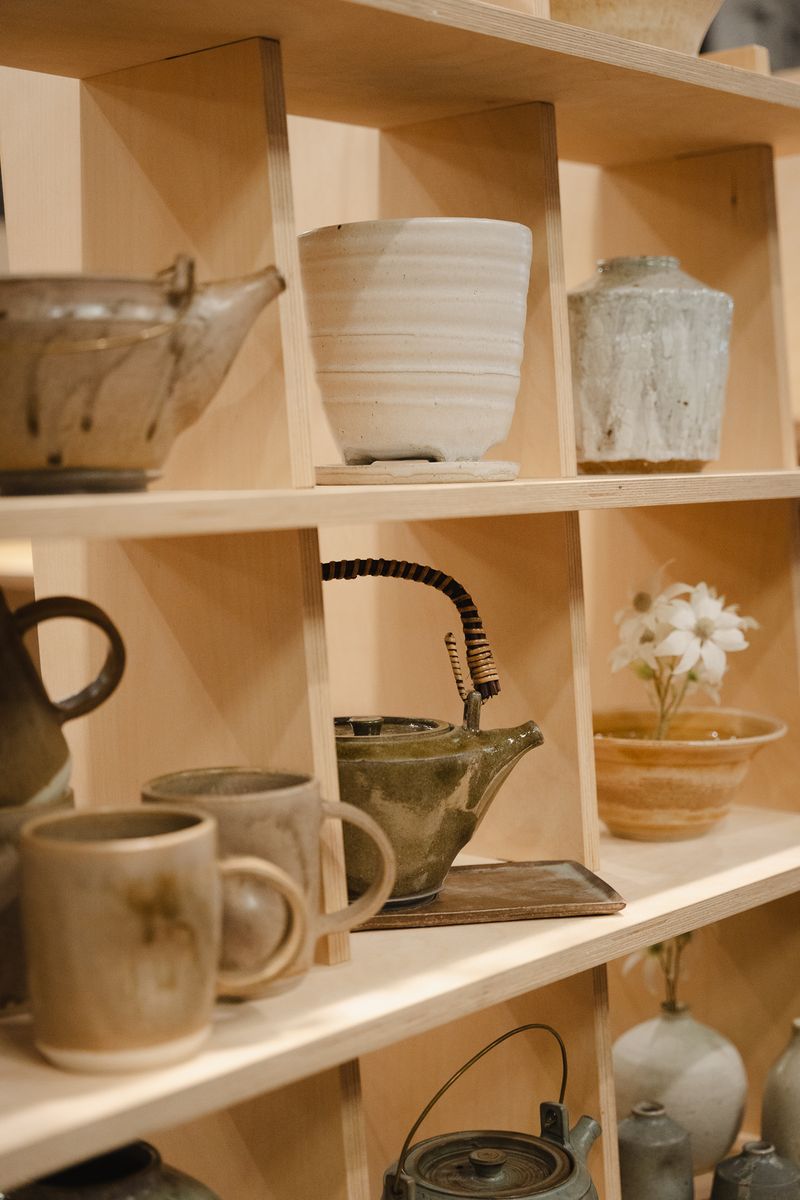
Sydney Ceramics Market, Carriageworks
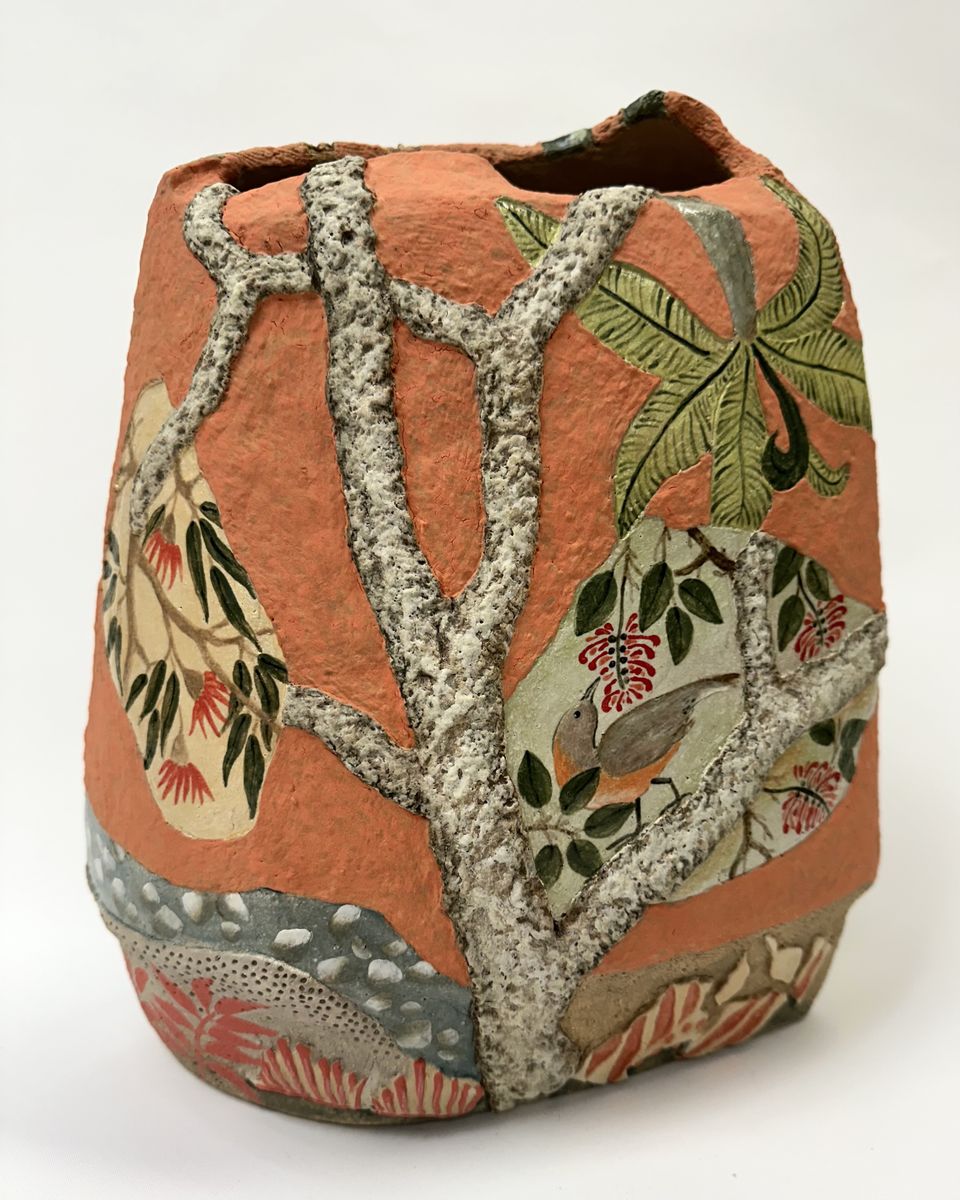
Ceramics – through their very make up and materials - say so much about the place and conditions they come from and I am always fascinated how this ancient practice evolves and surprises.
Artisans in the Garden, Royal Botanic Garden
I love the idea of 3000 objects connecting to this unique Sydney landscape, so I’ll be saving this one for a sunny day out.